
IIGJ Lab, a GJEPC initiative, has revised its ruby treatment terminology to match leading global gemmological practices, simplifying clarity-enhancement descriptions and strengthening transparency for gemstone manufacturers, traders, and retailers across India.
The IIGJ Lab, a project of the Gem & Jewellery Export Promotion Council (GJEPC) and supported by the Ministry of Commerce & Industry, Government of India, has introduced updated terminology for ruby treatment descriptions effective 6 November 2025. The revision brings India’s ruby-reporting framework in line with leading international gemmological laboratories, ensuring uniformity, scientific accuracy, and greater clarity for the coloured gemstone trade.
Rubies often undergo heating with fluxes such as borax or high-density glass materials containing elements like lead, bismuth, barium, yttrium, or zirconium. These substances assist in healing fractures and improving clarity. Previously, each component was listed separately in the lab’s reports, often creating complexity for traders. The new system simplifies this by offering unified terminology based on the observed enhancement features.
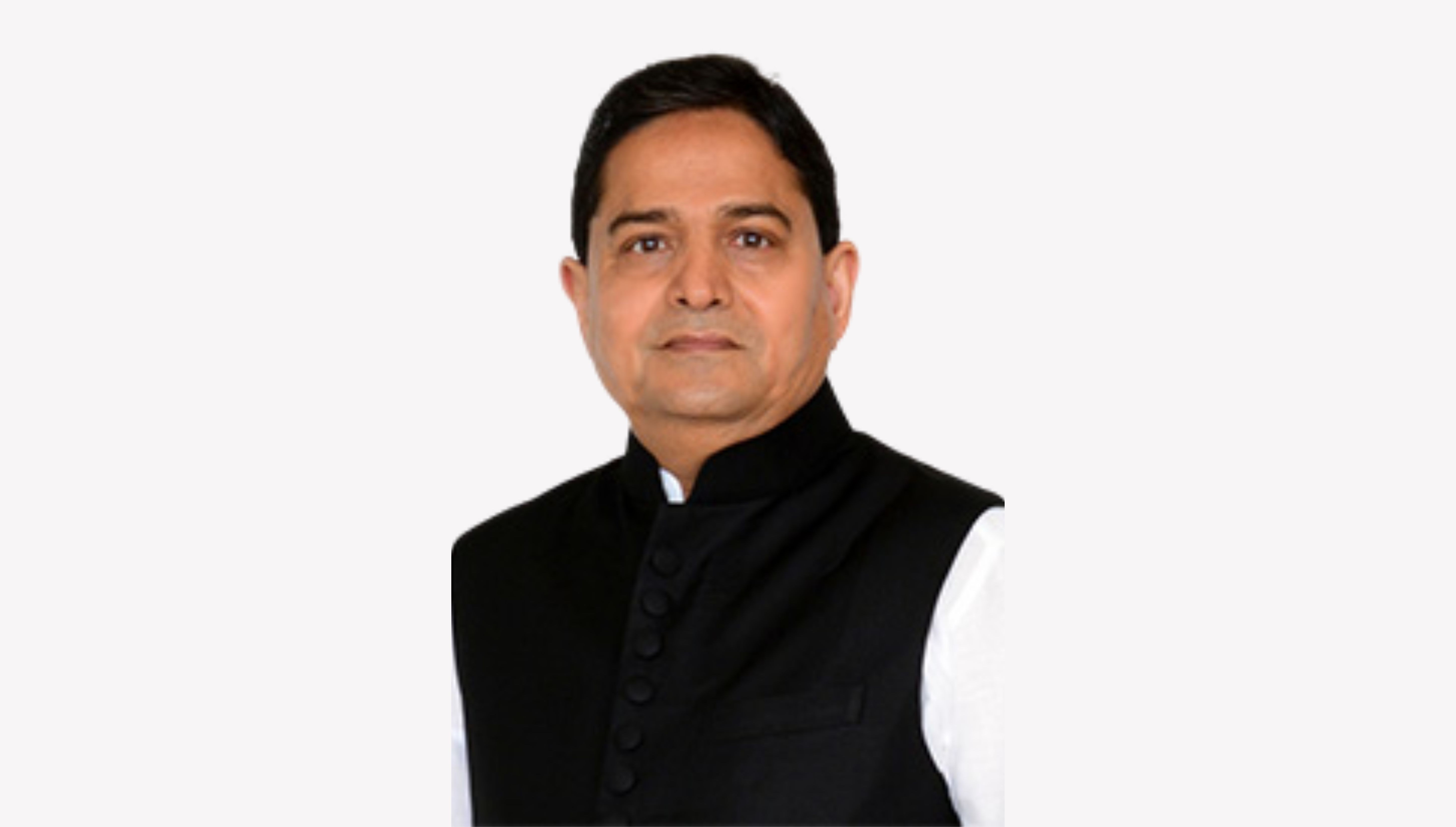
GJEPC Chairman, Kirit Bhansali, noted that the updated descriptions will strengthen customer confidence and provide the trade with a more effective sales tool. He highlighted Jaipur’s importance as a major global hub for coloured gemstones and emphasised continued investment in infrastructure and lab capabilities.
IIGJ Lab’s revised reporting format categorises clarity enhancement indicators into clear descriptive groups:
Heated Rubies with Residues
Signs of heating with silica-based substances or residues inside fissures
May include high-density glass components (e.g., Pb, Ba, Bi, Y, Zr)
Reports will state: Indications of heating and clarity enhancement with residues in fractures and cavities
If lead is detected, the report will include: Lead glass was detected
Glass-Filled Rubies (with Flash Effect)
Presence of high-density glass in fissures or cavities
Features include flash effect, numerous gas bubbles, and indistinct single-crystal structure
Reports will state: Indications of clarity enhancement by lead/bismuth/barium glass
Quantification will not be provided
Coloured Glass-Filled Rubies/Sapphires
High-density coloured glass visible in fissures, along with flash effect and gas bubbles
Reports will state: Indications of clarity enhancement with coloured glass
Quantification is not included
These simplified descriptions enhance transparency and align the lab’s reporting style with global gemmological practices.
The IIGJ Lab continues to grow its services and infrastructure across its Jaipur and Delhi centres to meet the evolving needs of gemstone manufacturers and retailers.





Be the first to comment