


Palmonas’s Rs 373-crore funding story reveals how targeting the underserved middle market, building a strong brand, and executing omnichannel growth can redefine success for modern jewellers in India.

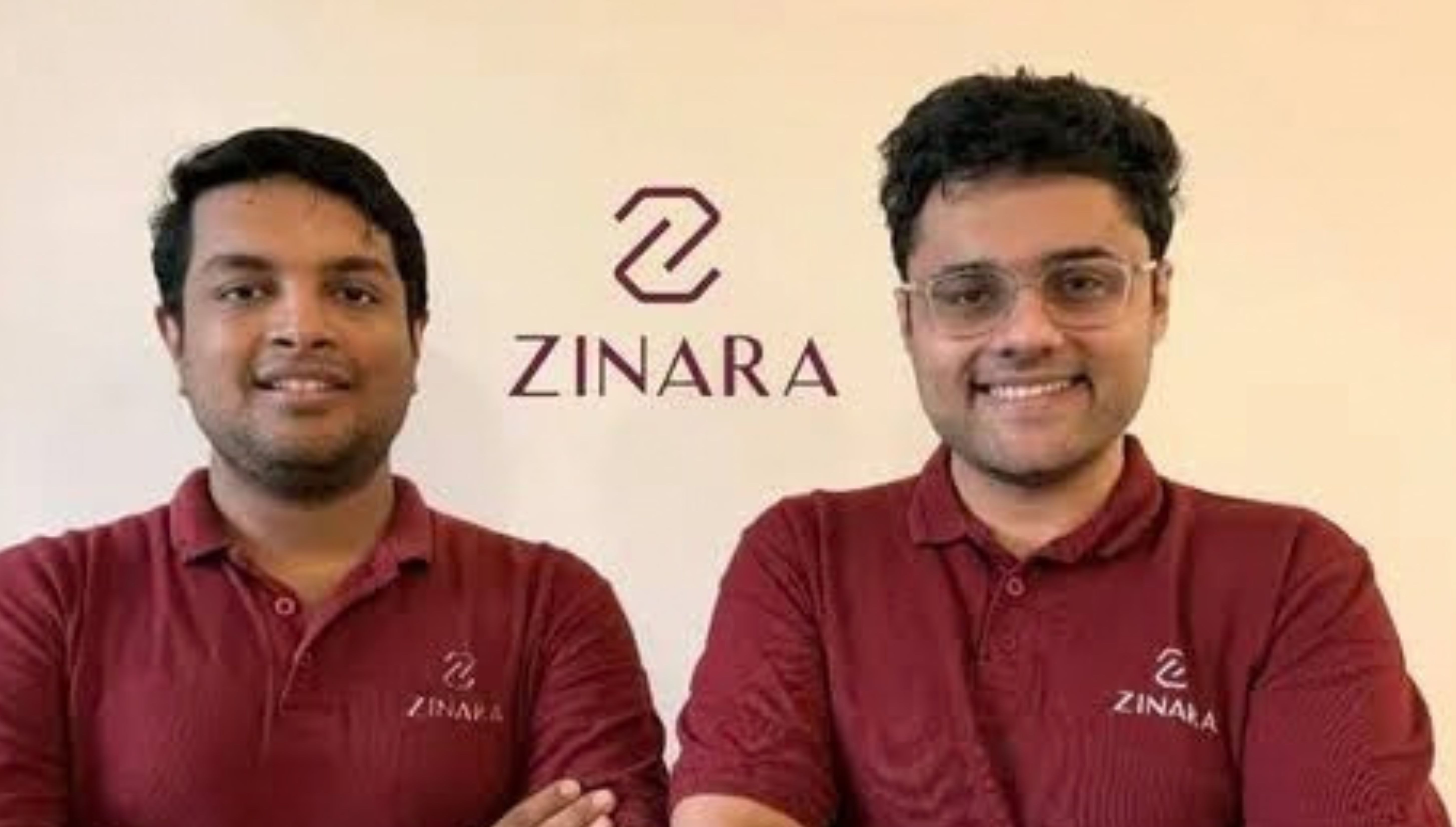
Palmonas, an omnichannel jewellery startup, has secured $40 million (Rs 373 crore) in a Series B funding round led by Xponentia Capital and Vertex Growth Fund, with participation from existing investor Vertex Ventures SE Asia & India. Founded in 2022 by Pallavi Mohadikar and Dr Amol Patwari, Palmonas focuses on demi-fine jewellery — pieces that bridge the gap between fast fashion accessories and traditional fine jewellery.
The brand specializes in demi-fine jewellery, a category that fits between inexpensive fashion accessories and traditional fine jewellery. Its products are crafted from materials such as surgical stainless steel and sterling silver, finished with an 18K gold vermeil layer, offering quality and style at accessible prices.
Takeaway: There is a huge untapped segment between Rs 200 fashion jewellery and Rs 20,000 fine jewellery. Jewellers who can serve this quality-conscious, but budget-aware buyer will win.
For the fiscal year ending March 2025, the company’s operating revenue surged over 40-fold — from Rs 97 lakh in FY24 to Rs 39 crore in FY25, marking one of the fastest revenue growth stories in India’s D2C jewellery segment. During the same period, Palmonas also turned profitable, reporting a net profit of Rs 4.3 crore.
Takeaway: Investors do not fund confusion — they fund clarity of vision + proof of growth. Even a small jeweller can attract capital by showing a sharp revenue trajectory, not just legacy.
Bollywood actor Shraddha Kapoor officially joined Palmonas as a co-founder in March 2024. Unlike a typical celebrity endorsement deal, this was a strategic partnership — she became part of the company’s leadership story, lending her voice, visibility, and personal branding to the startup.
Takeaway: Brand trust is built, not bought. If you can align your jewellery brand with an authentic face or community voice — whether a local influencer, a stylist, or a cultural icon — it compounds faster than advertising spend.
Palmonas follows an omnichannel retail strategy: selling through its own website, online marketplaces like Amazon India, Myntra, and even quick commerce platforms like Blinkit, and a growing network of physical stores.
Takeaway: Your customer is on Instagram at 10 pm and in a mall at 11 am. Being only online, or only offline is leaving money on the table.
Co-founder Shraddha Kapoor indicated that the newly raised capital will be used to expand the brand’s offline presence. “With just 60 stores, a significant chunk of our revenue already comes from retail. Over the next 12 months, we intend to scale this even more aggressively. And here is the part we are most proud of: every store is profitable,” Kapoor said.
Takeaway: Do not open stores for pride — open them for profit. Unit economics per store matter more than store count.
India’s demi-fine and affordable luxury segments have attracted rising investor interest in recent years, driven by increasing disposable incomes, greater online discovery, and a preference for branded, design-centric jewellery among younger cohorts.
Takeaway: The next generation of jewellery buyers wants design + story + convenience, not just metal value. Reframe your offering accordingly.
The funding round takes Palmonas’ valuation close to Rs 2,000 crore, reflecting a sharp re-rating since its previous financing. The company reported revenue of ?39 crore in FY25, up from under Rs 1 crore in FY24, and has reportedly turned profitable in the same period.
Takeaway: Valuation follows fundamentals. Consistent profitability + rapid growth = investor confidence. Even if you are not raising funds, these metrics build a business that lasts.
Palmonas did not win by selling more gold. It won by selling a category, a lifestyle, and a scalable system across every channel where its customer exists.
The jewellery business is being reinvented. The question for every jeweller is: Are you part of that reinvention, or watching it from the outside?









Be the first to comment