


Against the backdrop of global uncertainty, IIJS Bharat Tritaya 2026 reflects an industry that is balancing caution with business momentum, observes Khursheed Mistry.
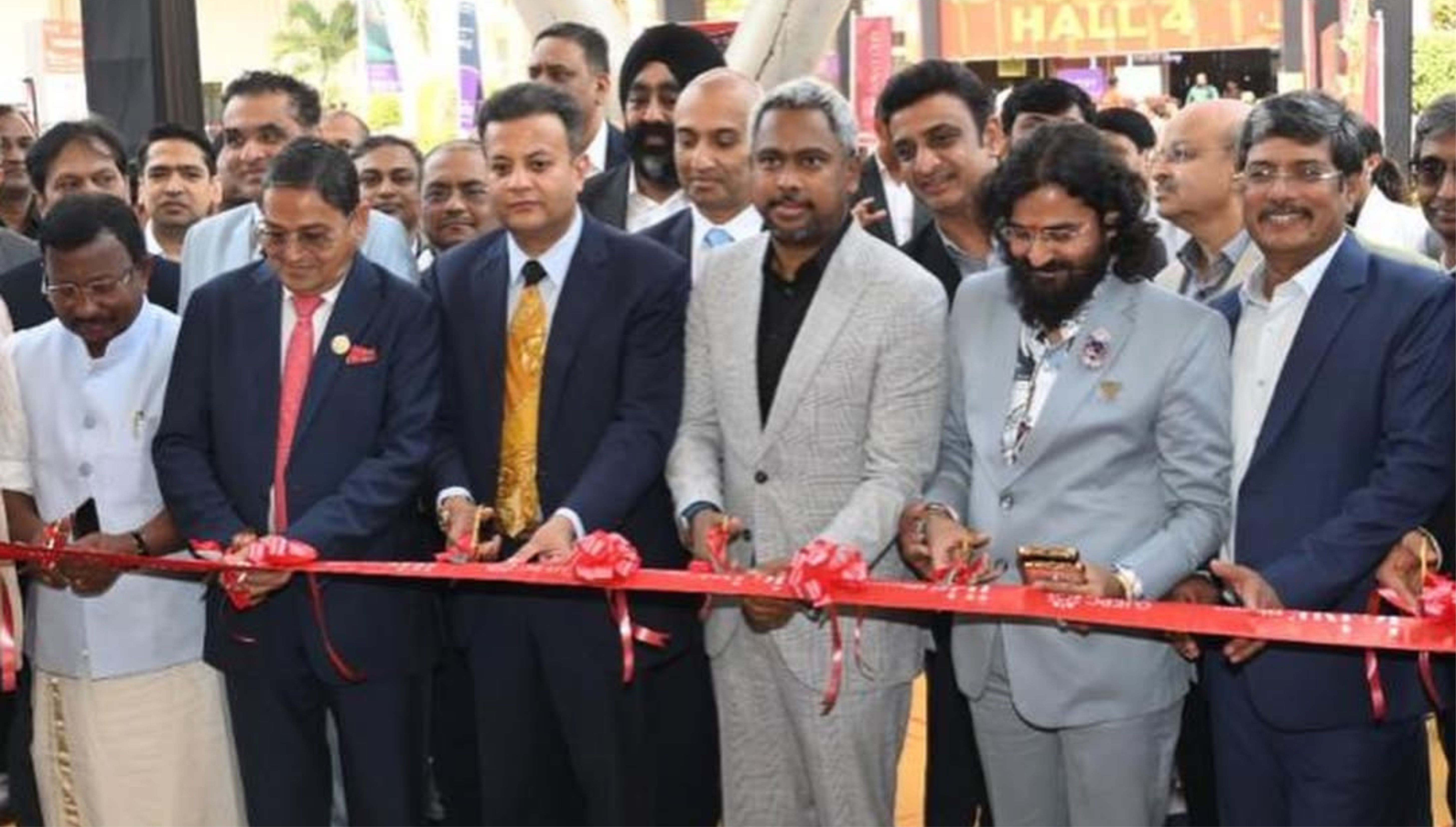
IIJS Bharat Tritaya 2026 unfolds at a time when global geopolitical tensions are impossible to ignore. Ongoing conflicts, fragile trade routes, and currency volatility have created an environment of uncertainty that touches every export- and import-driven industry, including jewellery. Exhibitors acknowledge that the geopolitical climate has influenced the buyer sentiment.
As Mukesh Rela of Valentine Jadau observes, “Even though the war has not impacted us Indians directly, gas, petrol and oil prices have gone up exponentially, and this has affected buying this season.”
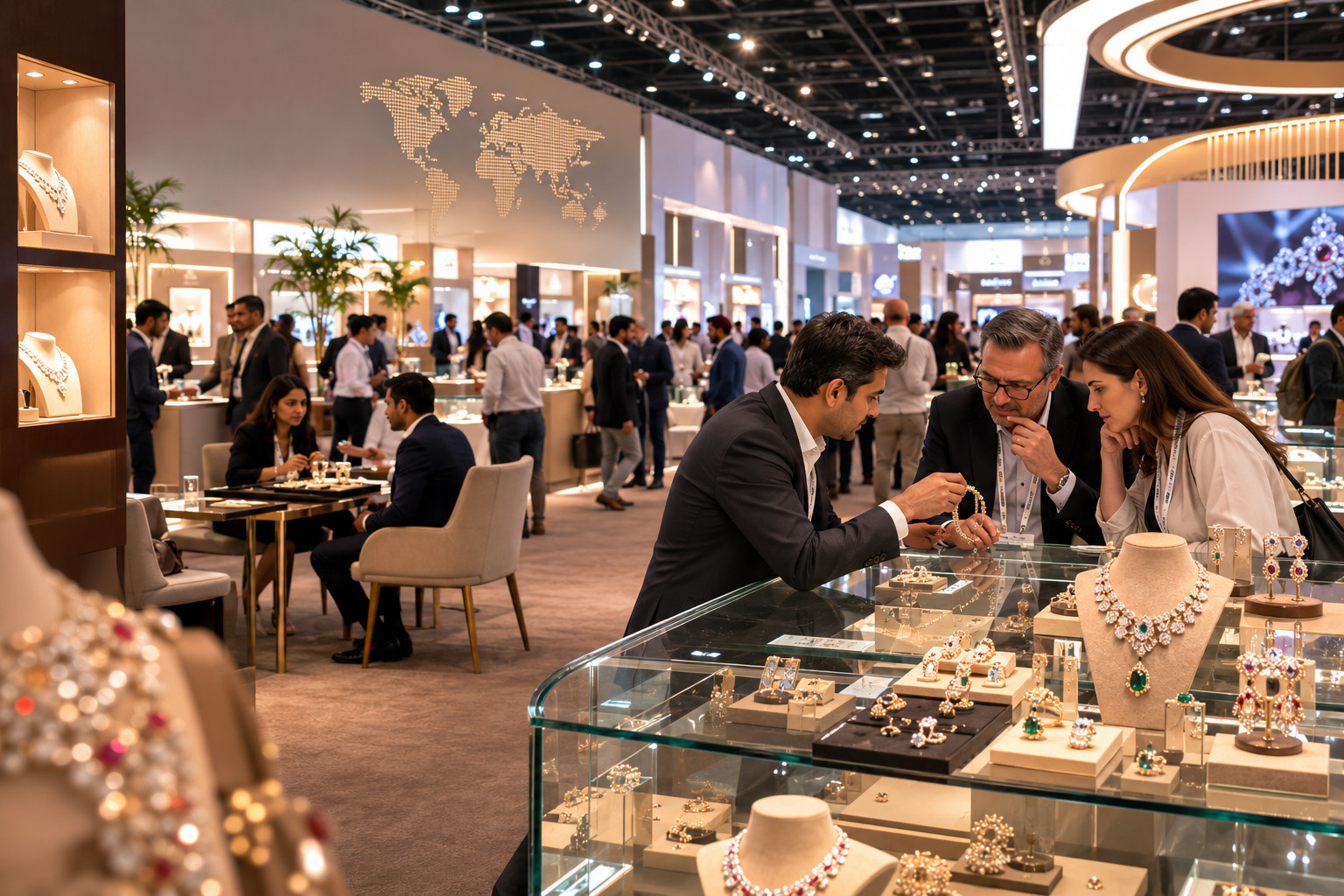
However, the show itself has not been overshadowed by these concerns. Instead, the industry seems to have internalized uncertainty as part of its operating reality. Participation remains strong, booths are well-prepared, and product showcases are aligned with current market needs.
Echoing this sentiment, Dilip Dassani of Dassani Brothers notes, “We have seen cycles like this before. The difference now is that businesses are quicker to adapt. Collections today are being designed keeping both aspiration and affordability in mind.”
If anything, geopolitics has sharpened focus, rather than dampened it, encouraging exhibitors to present more commercially viable, risk-mitigated collections. While global tensions are influencing decision-making to an extent, they are not dictating the tone of the show.
The nature of buyer engagement has evolved. Retailers are approaching the show with a clear sense of purpose, prioritizing essential purchases over exploratory buying. There is a noticeable shift from volume-driven buying to value-driven decision-making.
According to Naman Kala of Kalajee Jewellery, “Retailers are coming with a clear plan. They know what their customers are asking for, and they are buying accordingly. It is no longer about stocking everything; it is about stocking right.”
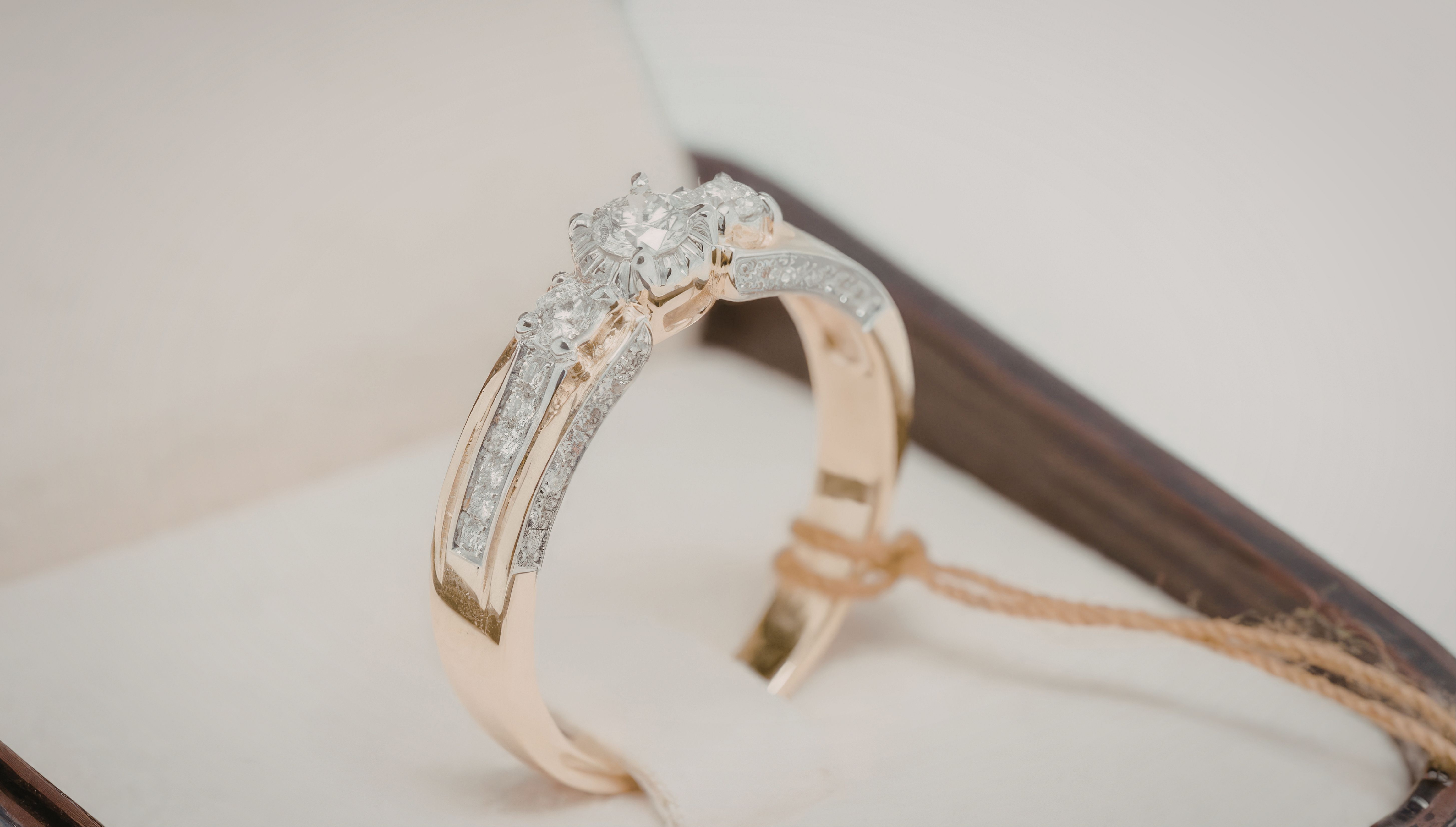
Buyers are taking longer at booths, asking detailed questions, and carefully evaluating price points and product turnover potential. Orders are being placed, but often in smaller quantities, with a focus on fast-moving, commercially safe designs. Lightweight diamond jewellery, bridal staples, and versatile everyday pieces are the most in demand.
Rela reinforces this shift, adding, “Retailers are cautious about inventory, and are focusing on designs that will move quickly. This is not a market that has stopped buying; rather, it is buying more intelligently. The mood is more disciplined. For exhibitors, this means that success at the show is less about large headline orders and more about consistent, well-aligned business.”
Beneath the business-like atmosphere, there is an unmistakable undercurrent of concern about the broader global situation. Conversations with industry stakeholders reveal a shared awareness that geopolitical tensions can have far-reaching consequences if they escalate further.
As Dassani explains, “The concern is not about today, or this show; it is about what happens if the situation continues for longer. That is where the real impact could be felt.”
At the same time, there is a strong sense of grounded optimism. Kala points out, “The industry has become more resilient over time. Whether it was COVID or economic slowdowns, we have learned how to respond quickly and stay relevant.”
Adding a design-led perspective, Rela says, “In times like these, customers gravitate towards pieces that feel both valuable and wearable. That is what we are focusing on.”
Overall, there is a pragmatic acceptance of the situation, coupled with a focus on what can be controlled: product, pricing, and partnerships. IIJS Bharat Tritaya 2026 ultimately reflects an industry that is neither deterred by uncertainty nor immune to it. The show floor tells a story of continuity, but with a recalibrated mindset. In today’s environment, that balance may well define the path forward.
Be the first to comment