


De Beers launches a centenary book tracing its diamond marketing evolution since the 1930s, highlighting the 1947 slogan’s global impact on consumer behaviour, retail demand, and shifting jewellery preferences across markets including India.
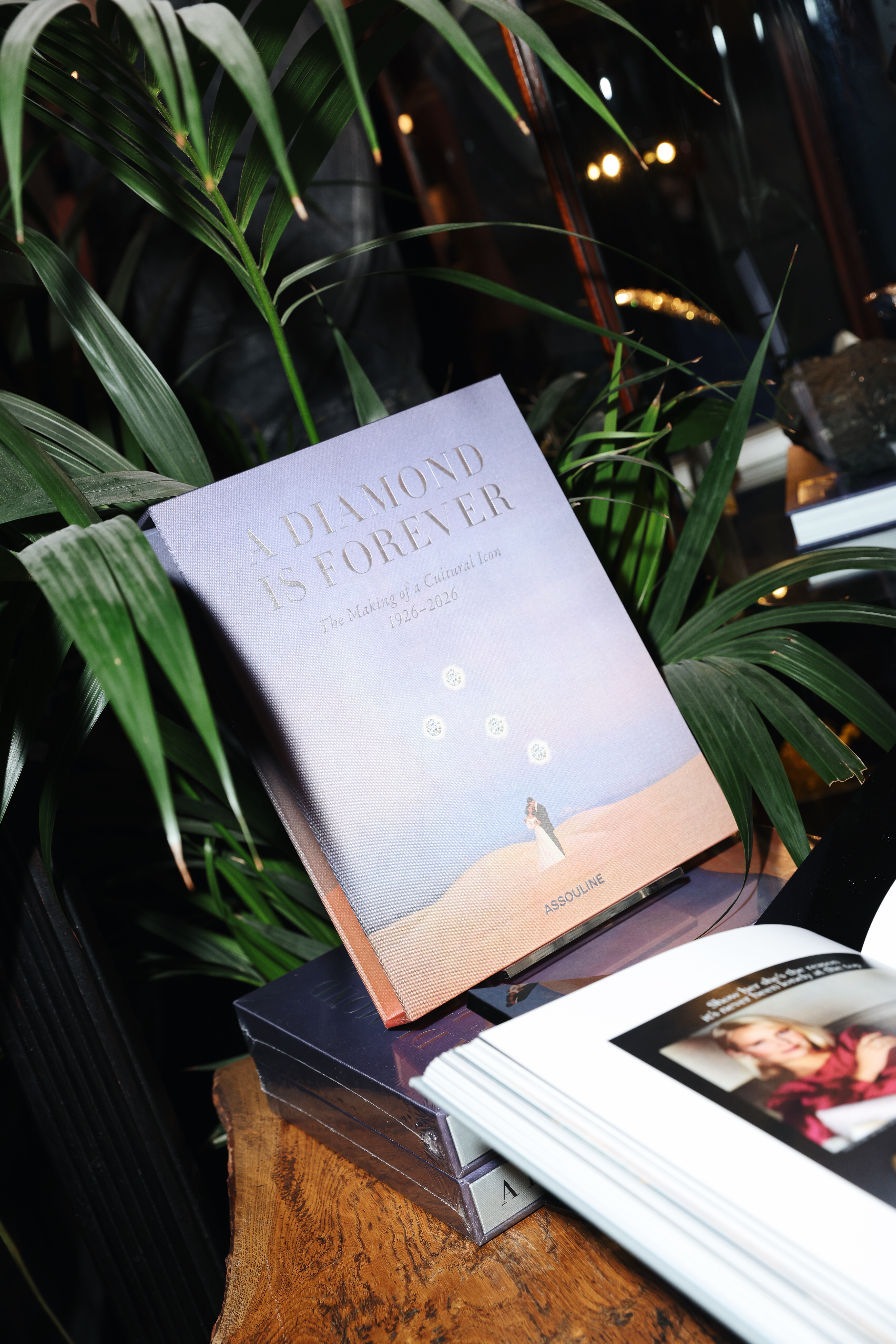
De Beers Group has launched 'A Diamond Is Forever: The Making of a Cultural Icon 1926–2026', a retrospective publication documenting the company’s role in shaping global diamond marketing and consumer perception over the past century.
Drawing on archival material, the book examines how De Beers repositioned natural diamonds from niche luxury items in the early 20th century to widely recognized symbols of love, commitment, and personal milestones. The shift began in the 1930s, during a period of declining demand, and focused on expanding consumer reach through targeted advertising.
A key focus of the publication is the 1947 campaign by N. W. Ayer, where copywriter Frances Gerety introduced the phrase “A Diamond Is Forever.” The slogan later received recognition from Advertising Age in 1999 as the greatest advertising slogan of the twentieth century. The campaign played a central role in establishing diamonds as an essential component of engagement rituals.
The book also documents the development of structured marketing strategies such as the “Two Months’ Salary” guideline, which influenced purchasing benchmarks, and the introduction of the “Right Hand Ring” campaign, which targeted women’s self-purchase behaviour. These initiatives contributed to expanding diamond jewellery consumption beyond traditional occasions.
In India, similar marketing narratives contributed to a gradual shift in consumer preference, encouraging adoption of diamonds alongside traditionally dominant gold jewellery. The positioning of diamonds as markers of emotional value and personal achievement supported category growth in the market.
The publication further highlights collaborations with artists including Pablo Picasso, Salvador Dalí, and Raoul Dufy, as well as associations with public figures such as Marilyn Monroe and Elizabeth Taylor, which reinforced the cultural visibility of diamonds. Campaigns like the 1990s “Shadows” series, set to Karl Jenkins’ Palladio, continued to reinforce the category’s positioning.
Recent sections of the book address evolving industry themes, including provenance, sustainability, and ethical sourcing, reflecting changing consumer expectations and regulatory focus.










Be the first to comment