


CIBJO 2026 highlights how soaring bullion prices are reshaping jewellery design, purity and retail strategy, with India emerging as a key growth market.
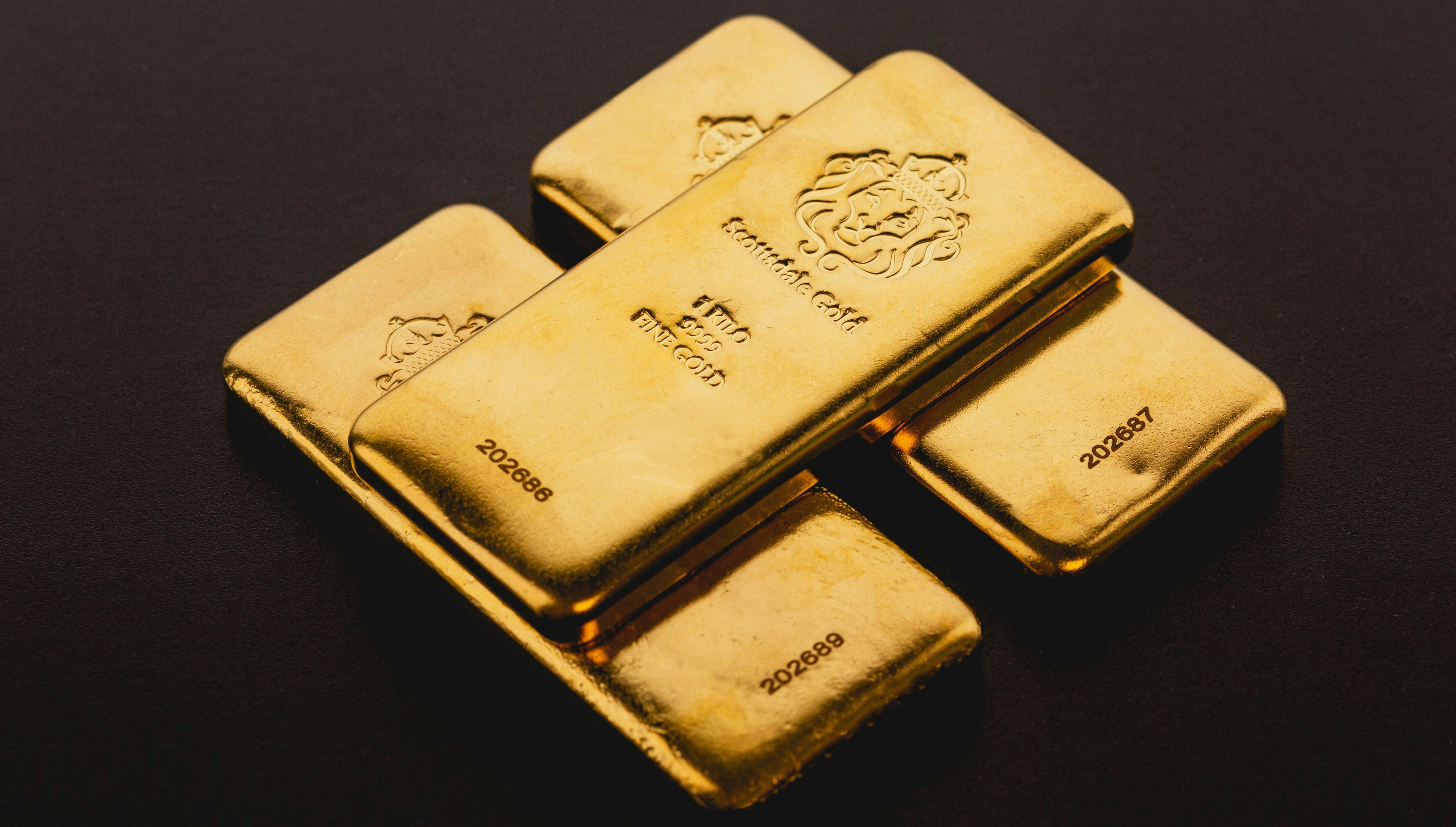
Vicenza, Italy: The global jewellery industry is adapting to a sustained rise in precious metal prices, with lighter-weight designs, lower-karat gold and greater use of gemstones emerging as key strategies for manufacturers and retailers. These trends were among the key takeaways from the CIBJO Centenary Congress, held in Vicenza from September 4–7, 2026.
The four-day congress brought together nearly 500 delegates from across the jewellery supply chain. Opening the event on September 4, CIBJO president Gaetano Cavalieri highlighted the organisation’s 100-year evolution and its role in developing international standards covering diamonds, coloured stones, pearls and precious metals.
One of the most significant discussions for the Indian jewellery industry came from the Precious Metals Commission session on September 6, chaired by Vaishali Banerjee.
Matthew Piggott, director of gold and silver at Metals Focus, said jewellery’s share of overall gold consumption has fallen towards pandemic-era levels as higher bullion prices put pressure on volumes. Platinum, meanwhile, has maintained its share of jewellery demand more effectively and has gained ground partly through substitution for white gold.
India was specifically cited as a market where manufacturers are responding to high gold prices through the growing availability of 9-carat jewellery. Metals Focus expects gold to move above US$5,000 an ounce by the end of 2026, while silver could cross US$70 an ounce in the fourth quarter. At such levels, jewellery demand is expected to remain under pressure in volume terms.
The implication for Indian retailers is increasingly clear: growth in value may not translate into growth in units, making lighter products, lower caratage, platinum substitution and gemstone-led designs more important to the product mix.
The congress also highlighted the complexity of international hallmarking requirements. Guido Grohmann, managing director of Germany’s BVSU, called for a single reference document covering legally mandated hallmarking regimes across markets, describing the absence of such a resource as an “invisible barrier” for exporters.
Interestingly, an attempt to create such a reference using AI demonstrated the limitations of the technology. While the AI-generated document was fast and well structured, parts of it were found to be confidently incorrect. Grohmann urged businesses to cross-check information across multiple sources and verify regulatory data before relying on it.
A September 5 geopolitics session examined the impact of the Russia-Ukraine conflict, the US-Iran war and US tariff policies on precious metals. Gold has risen more than 140% and silver more than 180% since 2022, with safe-haven demand contributing significantly to the rally.
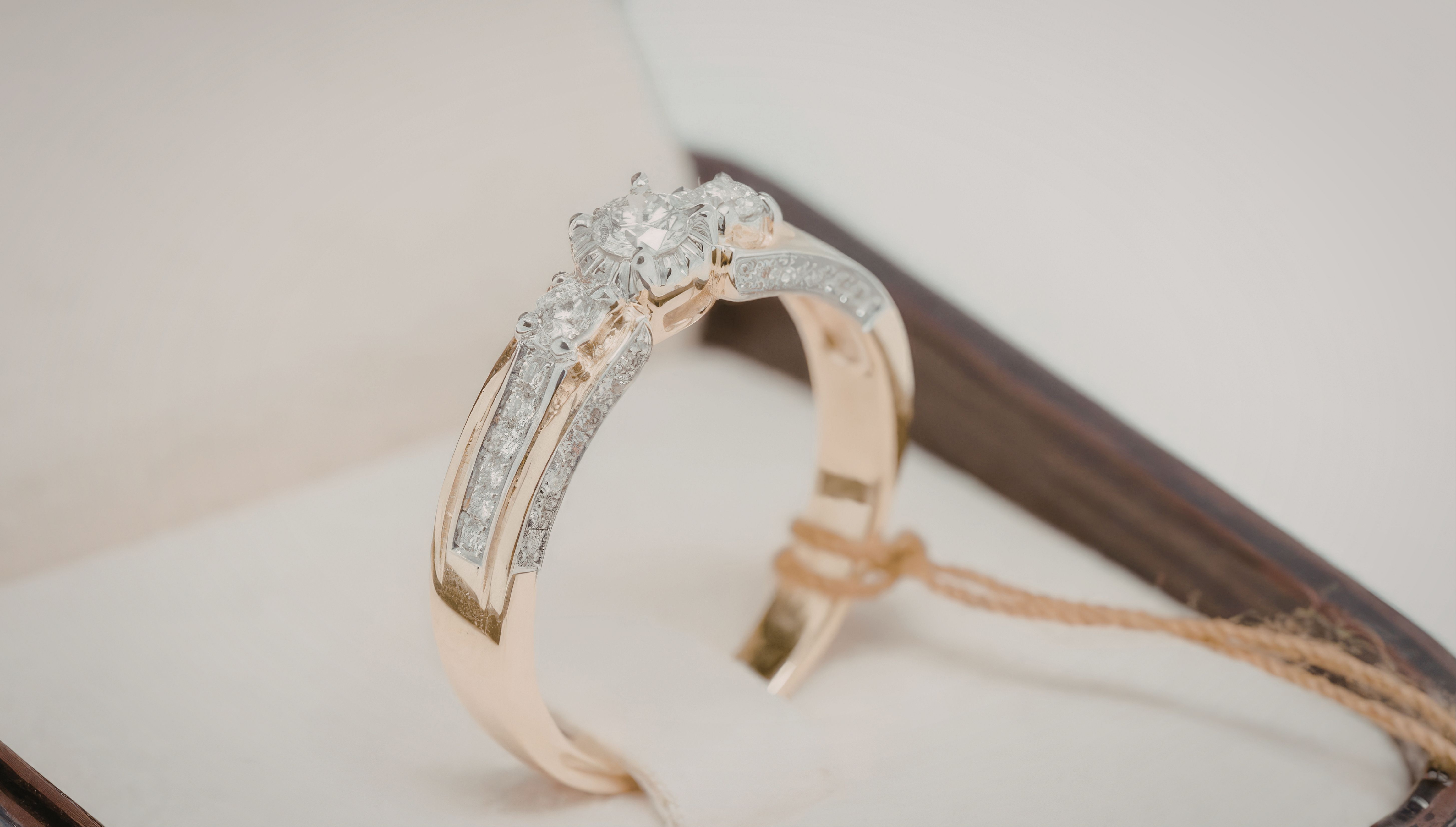
For manufacturers, the response is increasingly centred on lighter jewellery, new alloys and designs that use diamonds and coloured gemstones to create value without adding metal weight.
India emerged as one of the more positive demand stories during the congress. Mehul Shah, president of the World Federation of Diamond Bourses (WFDB), told delegates that India is now the world’s second-largest jewellery market, with retail growing at approximately 10% annually.
The congress also addressed sustainability, with CIBJO’s Sustainable Development Commission unveiling a revised Responsible Sourcing Toolkit designed to be more accessible to small and medium-sized businesses. The toolkit is available free to participants, while discussions also focused on water security, collaboration and traceability.
CIBJO further announced the International Fine Jewellery Academy in Milan, developed with CAPAC Confcommercio and Fondazione Mani Intelligenti, with a focus on craftsmanship, luxury R&D, standards, sustainability and technology.
The CIBJO centenary congress underlined a structural shift in jewellery consumption: higher metal prices are changing the product itself. For Indian jewellers, lighter weights, lower caratage, gemstone-led designs and alternative precious metals are increasingly becoming tools to protect affordability while maintaining perceived value.
With gold forecast to cross US$5,000 an ounce, the industry’s challenge will be to maintain consumer appeal without depending solely on metal weight — while keeping pace with evolving hallmarking, sustainability and technology requirements.
Strapline: CIBJO 2026 highlights how soaring bullion prices are reshaping jewellery design, purity and retail strategy, with India emerging as a key growth market.




Be the first to comment